

When the skies open up, understanding rainfall measurement becomes crucial for weather enthusiasts and gardeners alike. So, what does 9.3mm of rain really mean? This seemingly modest amount can considerably impact soil moisture, plant health, and even flood risk. By breaking down this measurement, we can appreciate how even small quantities of precipitation play a vital role in our habitat.
Understanding Millimeters: what Does 9.3mm of rain Really Mean?
When it comes to rainfall, even a seemingly small number like 9.3mm can have a significant impact on our environment. To put this measurement into perspective, 9.3mm of rainfall translates to 9.3 liters of water falling on every square meter of land. This amount could be enough to hydrate your garden,create puddles on the street,or contribute to local water supplies. Not only does precipitation play a crucial role in supporting plant life, but it also affects everything from soil erosion to water conservation efforts.
Practical Implications of 9.3mm Rainfall
Understanding how much rain 9.3mm really is can be vital for various industries. Such as, farmers rely on accurate rainfall measurements to plan irrigation and crop management. Here are a few practical implications of this rainfall amount:
- Gardening: With 9.3mm of rain, a garden may require less supplemental watering for a week, depending on the plants’ needs.
- Transportation: Rainfall at this level can lead to slick roads, impacting driving conditions, so it’s important to exercise caution.
- Water Management: Municipalities frequently enough track rainfall to manage stormwater runoff and prevent flooding.
Using a rain gauge, such as a graduated cylinder, professionals can accurately measure such rainfall.The readings are typically collected daily,ensuring that data regarding precipitation patterns is up-to-date and reliable. In locations frequently experiencing excess rainfall, understanding and preparing for amounts like 9.3mm can significantly enhance water resource management and risk reduction strategies.
Understanding the Bigger Picture
While 9.3mm might not sound dramatically high, its contextual relevance can’t be understated. In an area experiencing drought,this level of rain can be a welcome relief,replenishing water tables and providing essential moisture for crops. Conversely, in regions already saturated with moisture, it may lead to surface runoff and potential flooding.
By grasping what 9.3mm of rainfall means, stakeholders—from urban planners to agricultural specialists—can make informed decisions that benefit both the environment and the communities they serve. Being aware of how to interpret these measurements is crucial for effective rainfall management and future planning.
Visualizing Rainfall: How Much is 9.3mm Compared to Everyday Objects?
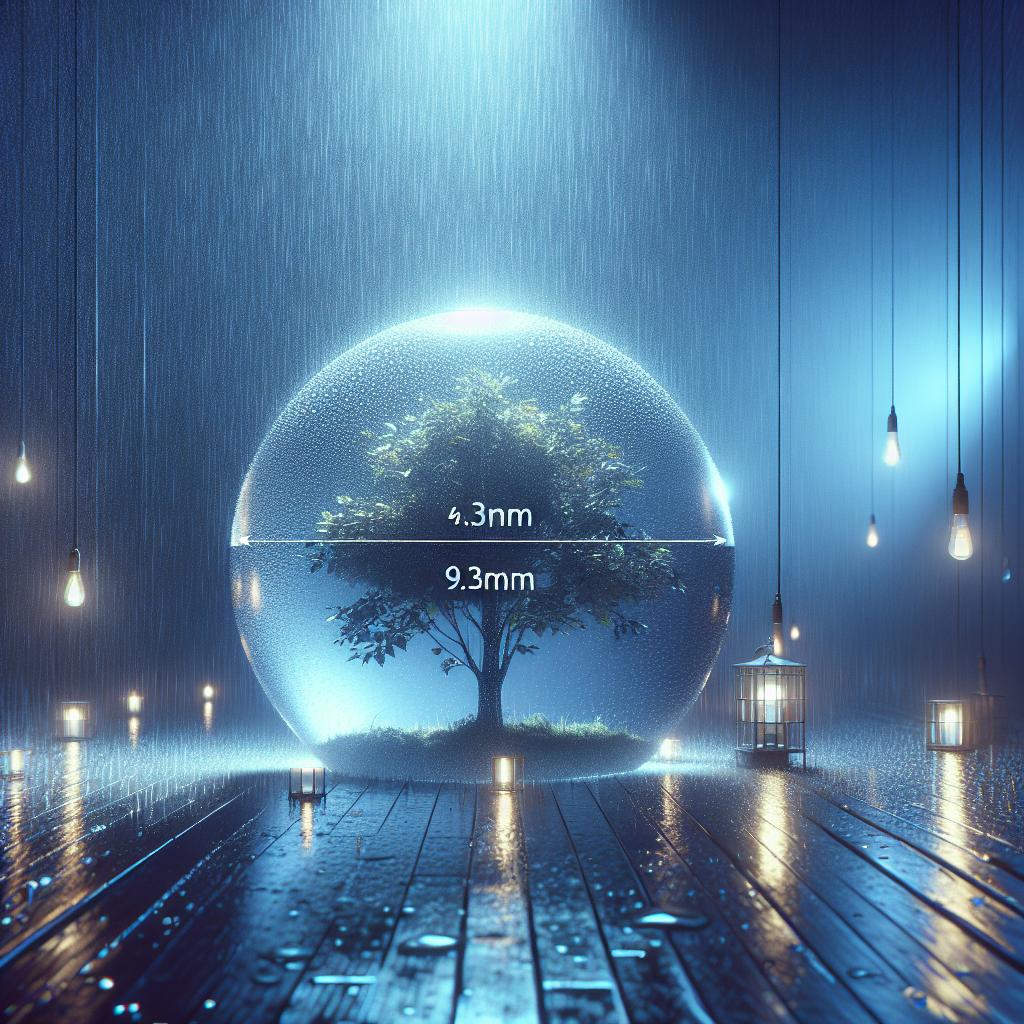
Understanding 9.3mm of Rainfall
When we talk about rainfall measurements,even a small amount can make a significant impact on the environment and daily life. To put the 9.3mm of rainfall into perspective, consider that this measurement is slightly less than half an inch. It can be helpful to visualize this quantity using familiar objects. For instance, if you think of 9.3mm as a thin layer of water covering a surface, it’s akin to the thickness of a standard AAA battery.
Real-World Comparisons
To further illustrate what 9.3mm of rain looks like, let’s compare it to some everyday items:
- Dime thickness: This amount of rainfall is roughly equivalent to the thickness of a stacked three dimes.
- Water on a windshield: Picture the droplets collected on your car windshield after a light rain – 9.3mm would resemble a puddle about one-third the height of your average raindrop.
- Human footprint: If you walked through this rainfall, the water might fill your shoe’s sole to about one-fourth, creating a noticeable squish but not a full soak.
Impact of 9.3mm of Rain
Even though 9.3mm might seem minimal, it can still lead to certain effects in the environment:
| Effect | Description |
|---|---|
| Soil Saturation | Such rainfall can definitely help saturate the soil, especially after dry conditions, aiding in plant hydration. |
| Runoff | In urban areas, this volume of rain can lead to minor surface runoff, influencing local drainage systems. |
| Flood Potential | When accumulated over weeks, 9.3mm can contribute to flooding, especially if the ground is already saturated. |
By visualizing 9.3mm through everyday objects,you can appreciate how even small amounts of rain influence both nature and human activities. Whether you’re planning outdoor events or managing agricultural practices, understanding such measurements is crucial for effective decision-making.
The Impact of 9.3mm of Rain on Your Garden and Plants

The role of 9.3mm of Rainfall in Garden Health
Did you know that just 9.3mm of rain can be a game changer for your garden? This amount of precipitation translates to about one-third of an inch, which is typically enough to provide essential hydration for a variety of plants. Understanding how much rainfall 9.3mm really means can help gardeners make informed decisions about watering, planting, and maintaining their gardens throughout the growing season.
When your garden receives 9.3mm of rain,the impact on soil moisture is profound. This volume of water can effectively penetrate the root zones of most plants, replenishing vital moisture levels that support growth.for established plants, this amount can help in nutrient uptake, while for seeds and young seedlings, it provides the necessary hydration to promote germination and root development. In well-drained soils, 9.3mm can be absorbed without causing standing water, thus reducing the risk of root rot and promoting healthy plant life.
To maximize the benefits of this rainfall, consider the following actionable tips:
- Mulching: Apply a layer of mulch to help retain moisture in the soil and prevent evaporation after the rain.
- Soil Testing: Test your soil periodically to ensure it maintains a good balance of nutrients, as effective rain absorption can definitely help in this regard.
- Plan for Drainage: Ensure your garden has proper drainage systems to handle excess water, especially in areas that might potentially be prone to waterlogging.
Additionally, understanding how much rainfall is optimal for your specific plants can lead to improved garden health. For instance, vegetable crops typically thrive with consistent moisture, while some drought-tolerant plants may not require as much watering. Thus, the 9.3mm of rain serves as a refreshing boost that can kickstart growth cycles, ensuring lush foliage and bountiful yields. By observing your garden’s response to this amount of rainfall, you can better tailor your watering strategies and enhance your garden’s overall resilience.
How Weather Experts Measure Rainfall and Interpret 9.3mm

Understanding Rainfall Measurements: The Case of 9.
Rainfall is an essential factor for agriculture, water resource management, and meteorological studies.When meteorologists and weather experts assess rainfall data, they rely on precise measurements to inform their analyses.One such measurement,9., might seem small at first glance, but it carries significant implications for environmental conditions and planning.
To determine rainfall amounts like 9., experts typically use a variety of methods for measurement, the most common being the standard rain gauge. This device consists of a funnel leading to a graduated measuring tube that collects rainwater. When it rains, the water flows into the gauge, and after the precipitation event, experts measure the depth of water collected. A reading of 9. means that if the rain were distributed evenly across an area, it would create a puddle of water that is 9. deep. Such measurements can be critical for farmers deciding when to plant crops or for city planners assessing drainage capacities.
Methods of Rainfall Measurement
Weather experts employ a range of techniques to measure and analyze rainfall. These methods can include:
- Standard Rain Gauges: Simple devices used for direct measurement, as described above.
- Automated Weather stations: Equipped with digital sensors, these automatically record rainfall data.
- Isohyetal Analysis: This method involves creating maps that show areas of equal rainfall, helping to estimate total precipitation across larger regions [[1]].
| Measurement Method | Advantages | Limitations |
|---|---|---|
| standard Rain Gauge | Easy to use and understand | Manual reading required; limited to one location |
| Automated Weather Stations | Real-time data; can monitor multiple locations | Higher cost; technical issues can arise |
| Isohyetal Analysis | Comprehensive view of regional rainfall | Requires advanced techniques and data interpretation |
The interpretation of 9. of rainfall not only informs immediate responses, such as flood management strategies but also serves as a critical data point for long-term climate analysis. By understanding how to measure and analyze rainfall accurately, experts can provide reliable information for decision-making, ensuring that communities are prepared for what such weather conditions entail.
9.3mm of Rain: A Day in the Life of Your local Environment

A mere 9.3mm of rain may not sound like much, but it can have surprising effects on your local environment. this volume, equivalent to about a third of a cup, can significantly influence various aspects of the ecosystem, from soil moisture levels to plant health. Understanding how this amount of rainfall affects your surroundings can enhance your appreciation for the delicate balance within nature.
Soil Moisture and Plant Life
When 9.3mm of rain falls in a single day, it can saturate the top layers of soil, providing much-needed moisture to plants and crops.Healthy soil generally retains moisture effectively, and this amount of rain can lead to improved germination rates and growth for many species. In terms of agricultural practices, farmers often monitor rainfall closely, knowing that even small amounts can affect irrigation practices, crop yields, and overall agricultural productivity.
impact on Local Water Bodies
This volume of rain can also influence nearby rivers, lakes, and streams, if only temporarily. While it may not cause significant flooding, it can raise water levels slightly, impacting aquatic habitats. Increased water flow can redistribute nutrients and can also enhance the habitat for fish and other wildlife. Therefore, even minor rainfall events contribute to the health of local aquatic ecosystems.
Measuring Effects Over Time
To better understand the impact of 9.3mm of rainfall, consider observing local changes over a few days. Here are some practical steps to gauge ecological effects:
- Monitor soil moisture levels with a simple moisture meter.
- Keep an eye on local plant growth and flowering times.
- Check water levels in nearby streams or ponds after rainfall.
Through such observations,you can create a clearer picture of how much rainfall affects your local environment,detailing the intricate relationships between water,soil,and life.
What 9.3mm of Rain Could Mean for Local Weather Patterns

Understanding the Impact of 9.3mm of Rain
Rainfall amounts can dramatically influence local weather patterns, and 9.3mm is no exception.This level of precipitation, even though seemingly modest, can lead to significant changes in both the atmosphere and the environment. On average, 9.3mm is enough to saturate the soil, providing essential moisture for plants while also influencing runoff and drainage patterns in your area.
Soil Saturation and Plant Health
- Improved Growth Conditions: For gardeners and farmers, this amount of rain is critical as it improves soil moisture content, fostering better crop yields and healthier plants.
- Reduced Irrigation Needs: With the ground receiving nearly a centimeter of rain, the necessity for additional irrigation can be lessened, promoting sustainable water use.
Runoff and Drainage Concerns
the resulting runoff from 9.3mm of rain can lead to unexpected consequences:
- Urban Areas: In cities, this amount can exacerbate drainage issues, potentially leading to localized flooding on streets and in basements if stormwater systems are not adequately prepared.
- Rural Regions: Conversely, in rural settings, it can replenish local water sources but may also lead to erosion in areas where the soil is not adequately anchored by vegetation.
By understanding what 9.3mm of rainfall can mean, residents and local municipalities can better prepare for its implications. Whether it influences the timing of agricultural activities or necessitates adjustments in urban planning, acknowledging these subtle changes allows for more effective environmental management and preparedness.
Historical Context: How Rainfall Amounts Shape Our landscapes

The Essential Role of Rainfall in Shaping Landscapes
Understanding the nuances of rainfall amounts and their impact on our environments is crucial, especially when considering measurements like 9.3mm. While this might sound like a small figure, it can wield significant influence over coastal, mountainous, and urban landscapes. Modern studies reveal that rainfall—even in seemingly modest quantities—can alter soil composition, support diverse ecosystems, and drive hydrological cycles. In arid regions, for instance, just 9.3mm can rejuvenate dormant plants and trigger vibrant blooms, transforming barren stretches into lush habitats.Rainfall’s Impact on Different Ecosystems
Each drop of rain interacts with the earth in unique ways,affecting local ecosystems:
- Riparian Zones: Areas next to rivers and streams benefit from moderate rainfall by maintaining groundwater levels and supporting various plant species.
- Desert Landscapes: Arid regions can experiance dramatic transformations with even slight increases in moisture, underscoring the importance of occasional storms.
- Urban Development: Cities face unique challenges where rainfall can lead to flooding, requiring effective management strategies to safeguard infrastructure.
Comparative Analysis of Rainfall Effects
Rainfall amounts directly correlate with the health and sustainability of landscapes. To illustrate this, consider the following table comparing the effects of different rainfall quantities:
| Rainfall Amount | Effects on Landscape |
|---|---|
| 1mm | Minimal impact, potential for brief soil moisture. |
| 5mm | Encourages seed germination in resilient species. |
| 9.3mm | Stimulates growth in many ecosystems; enhances soil moisture retention. |
| 20mm+ | Significant runoff and potential for flooding; critical for hydrological replenishment. |
With insights from the article “How Much Rainfall Is 9.3mm? Explained Simply,” we recognize that understanding these variations is essential for effective land management and ecology. As climate patterns shift, the ability to anticipate changes driven by rainfall will be paramount for preserving our landscapes. Thus, whether it’s nurturing a small garden or managing extensive agricultural fields, comprehending the role of every millimeter of rainfall can lead to better planning and sustainability.
Q&A
How Much Rainfall Is 9.3mm?
9.3mm of rainfall is equivalent to 0.37 inches. This measurement reflects a notable amount of precipitation, typically enough to keep gardens and lawns hydrated.
what does 9.3mm of rainfall mean for my garden?
A rainfall of 9.3mm provides significant moisture for your garden,encouraging plant growth and helping to maintain soil health.
It’s roughly enough to saturate the top few inches of soil, which is essential for root development. Regular rainfall is crucial, especially during dry months, to prevent stress on your plants. Ensure your soil drains well to absorb this rainfall effectively.
How do I measure rainfall accurately?
Rainfall can be accurately measured using various types of rain gauges, such as standard or tipping-bucket models.
These devices collect rainwater,allowing you to read the amount of precipitation. Typically, for home use, the standard rain gauge is simple to operate and can effectively measure rainfall amounts like 9.3mm.
Why is understanding rainfall measurement critically important?
Knowing how to measure rainfall, like 9.3mm,helps in making informed decisions regarding water usage,agriculture,and flood prevention.
Accurate rainfall data influences community planning, environmental management, and can guide gardening practices. Understanding these measurements can prepare you for weather changes.
Can I estimate how much runoff 9.3mm of rain will create?
Yes, 9.3mm of rain can lead to varying amounts of runoff depending on the surface type and saturation level.
For instance, in urban areas with pavement, most of the rain can turn into runoff, whereas in gardens with good soil structure, more water is absorbed. Understanding runoff is crucial for managing both gardens and drainage systems.
How does 9.3mm of rainfall compare to daily rainfall averages?
In many regions, 9.3mm of rainfall is more than a typical daily average, which can range from 1mm to 5mm.
This amount indicates a considerable rain event, often signaling weather patterns that necessitate monitoring for potential flooding or agricultural impacts. Understanding local averages can definitely help gauge the importance of this rainfall.
Is 9.3mm of rain enough to cause flooding?
While 9.3mm of rain alone may not typically cause flooding,it can contribute to flooding when combined with existing saturated conditions or other rainfall events.
In regions prone to flooding, even smaller amounts of rain can lead to significant runoff and localized flooding issues, especially in areas where drainage systems are inadequate.
To Wrap It Up
Understanding rainfall measurements can help us appreciate the gentle rhythm of nature,as well as the impact of weather on our lives. When we say it’s 9.3mm of rain, it represents a delicate layer of water settling over a surface. This moderate amount can nourish gardens, replenish reservoirs, and soothe the environment, all while creating a serene ambiance.
As you reflect on what 9.3mm of rainfall means,consider diving deeper into the intricacies of weather measurements. Explore different types of rain gauges, their uses, and how they contribute to our understanding of weather patterns.Whether you’re a gardening enthusiast curious about how much water your plants receive or simply someone who enjoys the calming sounds of rain, there’s always more to discover. Join us in broadening our appreciation for the gentle forces of nature, one drop at a time.


